close
IT Infrastructure & Administration
Network Administration
$100
Network administration involves managing, monitoring, and maintaining an organization's computer network infrastructure to ensure it is secure, reliable, and functional. Network administrators (or "netadmins") install hardware/software, configure systems, troubleshoot connectivity issues, manage security (firewalls/backups), and support users.

Linux Administration
$120
Linux system administration involves managing, configuring, and maintaining Linux-based servers to ensure secure, high-performance operation. Key tasks include user management, file permissions, storage administration, software installation, and system backups. Administrators primarily use the terminal for tasks, such as automating processes, managing network configurations, and troubleshooting.

IT Consulting and Strategy development
$150
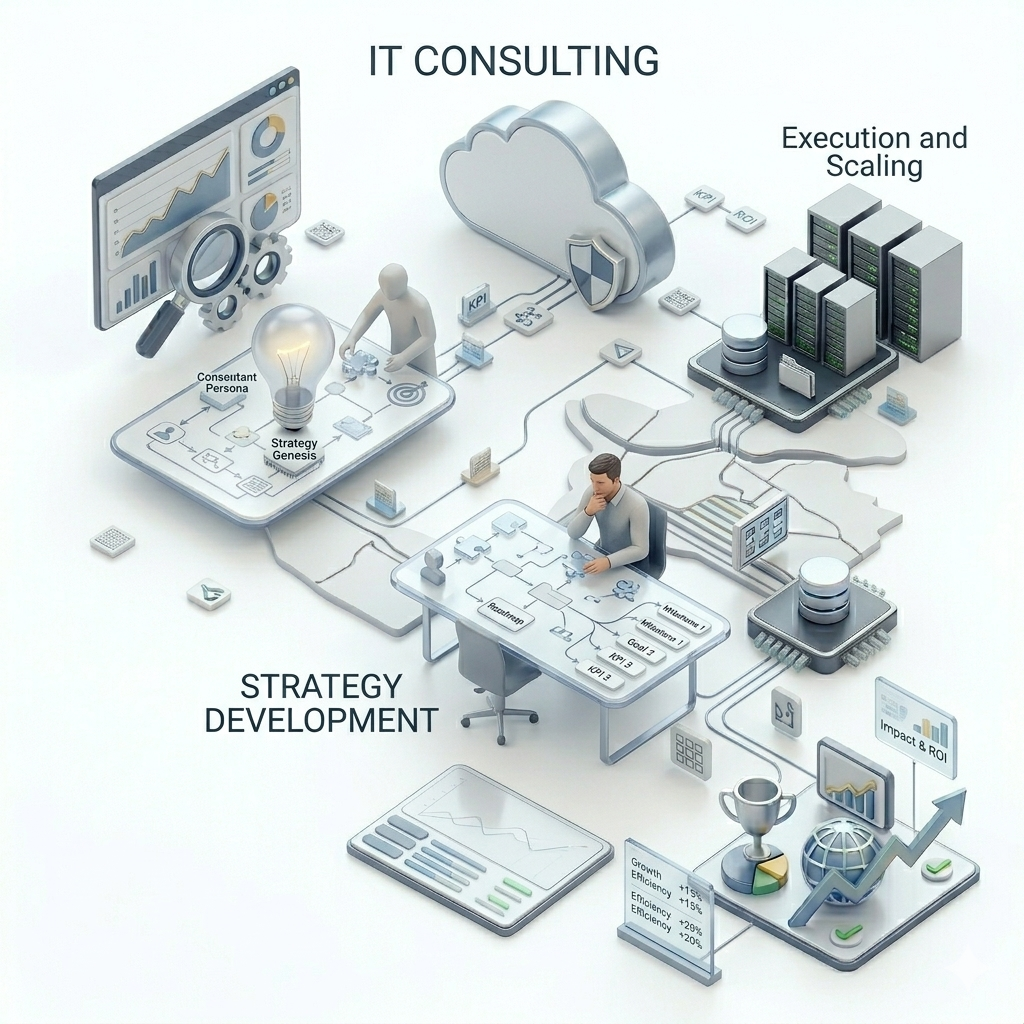
IT consulting is a professional service for the assessment, strategic planning and implementation of information technologies to optimize business processes. It helps companies effectively use IT to increase competitiveness, implement digital transformation and scale the business. Services include infrastructure audits, software selection and IT strategy development.
Server testing and Maintenance
$100
Server testing and maintenance are critical, routine procedures to ensure optimal performance, security, and uptime, involving hardware inspections, software updates, and monitoring. Key tasks include updating security patches, testing backups, checking resource usage (CPU/RAM), and reviewing system logs to prevent failures. Regular maintenance extends hardware lifespan and ensures security.

Configuring Fortinet, pfSense or OPNsense
$250
Configuring Fortinet (FortiGate), pfSense, or OPNsense involves setting up network interfaces (WAN/LAN), defining firewall rules, and enabling services like DHCP. FortiGate is a enterprise-grade NGFW, while pfSense and OPNsense are versatile, open-source options ideal for software-based setups, both managed via web GUIs.

Web & Digital Marketing
Search Engine Optimization (SEO)
$130
Search Engine Optimization and keyword research involve identifying popular search terms to improve website visibility and attract relevant traffic. Effective research, conducted via tools like Semrush and Ahrefs, analyzes search volume, intent, and difficulty to create, map, and rank content. Key steps include identifying audience needs, competitor analysis, and mapping keywords to content.

Content Strategy
$140
A content strategy is a high-level plan for creating, publishing, and governing useful, usable content that aligns with business goals and user needs. It involves defining target audiences, conducting research (SEO/keywords), setting a content calendar, and measuring performance. Key elements include editorial style, content structure, and distribution channels.

Salesforce Development
$400
Salesforce development involves customizing, extending, and integrating the Salesforce platform using both low-code (Flows, App Builder) and pro-code (Apex, Lightning Web Components) tools to meet business needs. Developers use tools like Salesforce DX, Visual Studio Code, and Scratch Orgs to build secure, scalable applications on the Agentforce 360 Platform.

Cloud & Productivity
Data Backup, Restoration and BDR strategy
$440
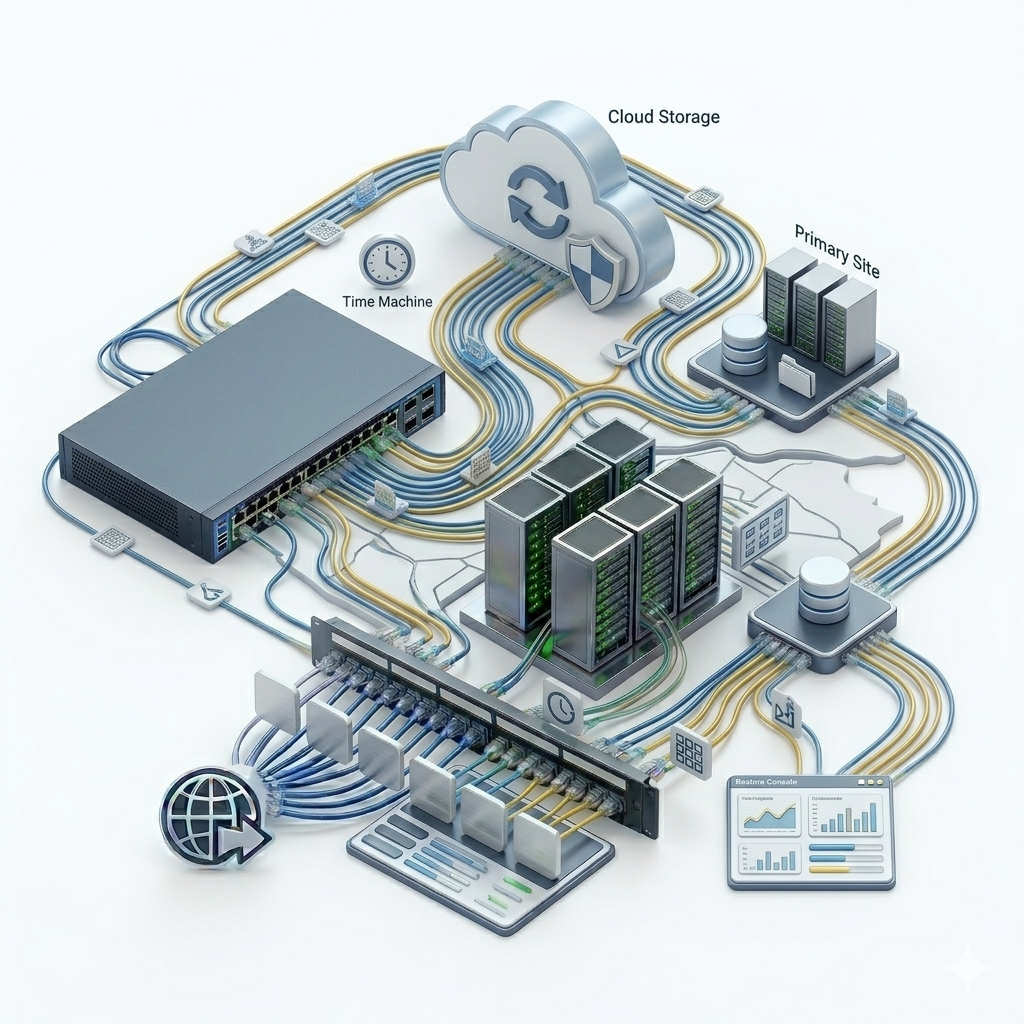
A comprehensive BDR (Backup and Disaster Recovery) strategy ensures business continuity by combining data backups (creating copies) with disaster recovery (restoring systems) to minimize downtime from cyberattacks, failures, or disasters. Effective strategies utilize the 3-2-1 rule—3 copies, 2 media types, 1 offsite—and define key metrics like RTO (how quickly to restore) and RPO (how much data can be lost).
Learning with OneDrive, Outlook, SharePoint
$250
Learning with Microsoft OneDrive, SharePoint, and Outlook enables collaborative content management, secure file storage, and integrated communication. OneDrive acts as personal cloud storage for individual files, while SharePoint serves as a shared, collaborative space for teams. Together, they allow seamless document sharing, real-time co-authoring, and mobile access to information, often integrated directly into Microsoft Teams for efficient workflows.

Setup SPF, DKIM and DMARC
$175
Setting up SPF, DKIM, and DMARC requires adding specific TXT or CNAME records to your domain's DNS settings, which are managed through your domain registrar (e.g., GoDaddy, Namecheap) or email provider (e.g., Google Workspace, Microsoft 365). These methods ensure email authentication, improve deliverability, and protect your domain's reputation.